
Introduction to PLEDGE Curriculum for Parents
PLEDGE is taught in two one-hour classroom lessons to help students learn about firearm safety, secure firearm storage, and mental health awareness in age-appropriate ways.
The curriculum emphasizes practical safety knowledge, respectful discussion, and thoughtful decision-making.
This page includes an outline of the two lessons your students will experience and important FAQs.
Why is firearm safety education necessary?
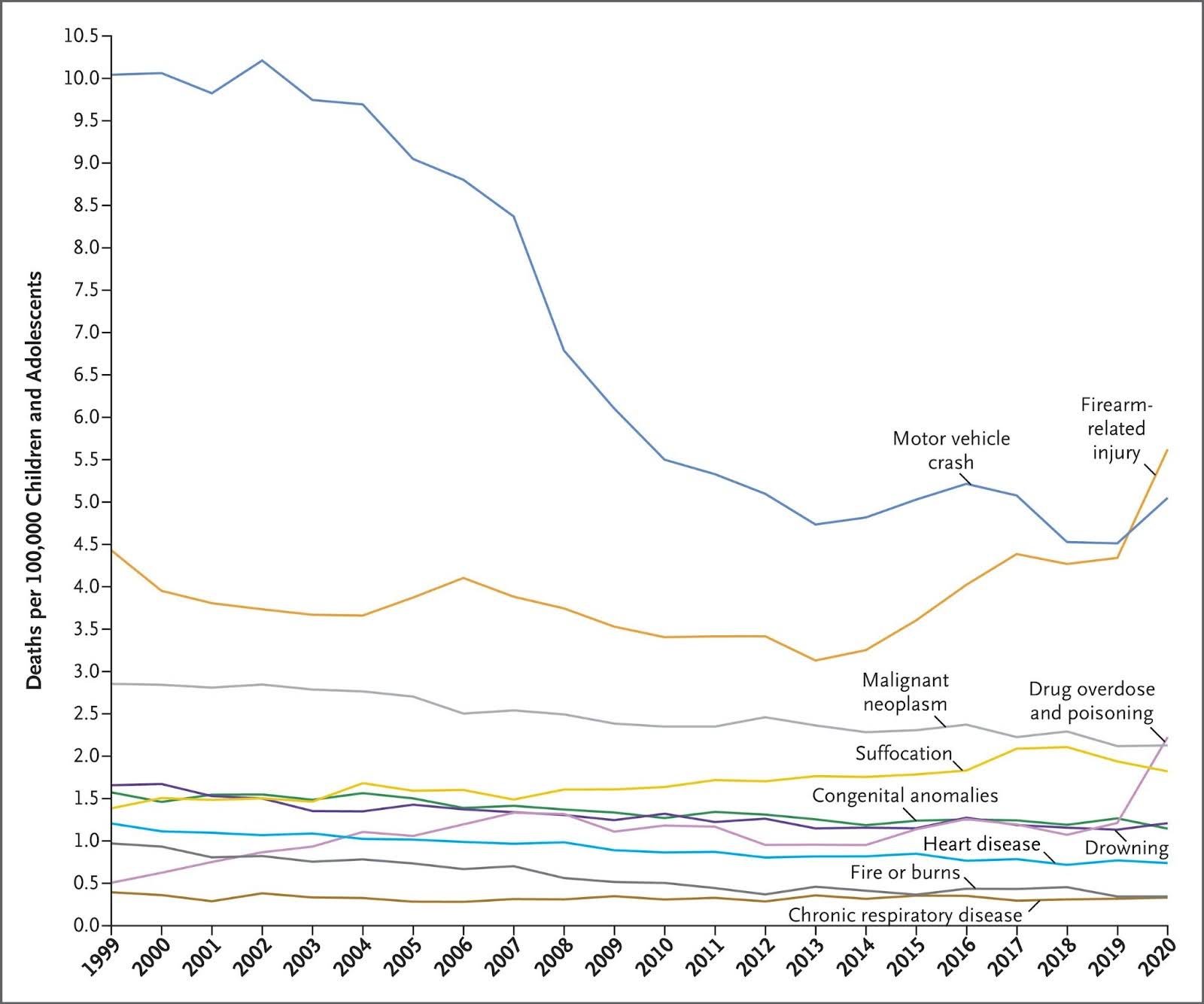
In 2019, firearms surpassed motor vehicles as the leading cause of death for children and adolescents.
A variety of sources have published statistics that show hundreds of children die annually from unintentional firearm injuries, and more than 50% of deaths from firearms are caused by suicide.
Studies show that secure storage of firearms reduces the risk of accidents, suicides, and even intentional shootings.
Lesson 1:
Community Safety & Conflict Resolution
Goal: Introduce PLEDGE, explore different perspectives on safety, and discuss ways to resolve conflicts without violence
Take Home Points:
Safety is a shared responsibility in our community.
How we interact with firearms impacts our safety.
Different perspectives can be respected while promoting safety.
We can resolve conflicts using our words and not violence.
What Students Will Do:
Introduction to PLEDGE
Learn about the goals of PLEDGE and establish discussion expectations.
Community Perspectives Activity and Community Safety
Participate in a hands-on activity exploring what helps people feel safe in their communities.
Conflict Resolution Case Study
Work through a case study about a conflict between two students and discuss nonviolent ways to respond.
Lesson 2:
Firearm Safety & Personal Pledge
Goal: Teach practical firearm safety behaviors, problem-solving skills, and personal responsibility for community safety.
Take Home Points:
Specific behaviors can help prevent firearm injuries and improve community safety.
Reducing access to firearms during mental health crises is important for community safety.
Everyone can contribute to firearm safety.
What Students Will Do:
Firearm Safety Scenarios
Discuss real-life safety scenarios involving secure firearm storage, peers carrying firearms, and suicide prevention.
Group Discussion of Firearm Safety Basics
Learn about basic firearm safety principles, including: how to respond to an unsecured firearm, secure storage of firearms, risk of self-harm, mental health crises, and community resources
Personal Pledge and Reflection
Reflect on what they learned and create a personal safety commitment.
FAQs
What is PLEDGE?
PLEDGE includes two one-hour lessons that teach students about firearm safety, secure storage of firearms, and mental health awareness with a focus on how these topics keep children, families, and communities safe.
PLEDGE is focused on education, prevention, and responsible decision-making.
PLEDGE was created by pediatric surgeons and physicians from Stanford Medicine Children’s Health who have witnessed tragedies from firearm trauma, and who are committed to preventing these tragedies.
PLEDGE curriculum was developed in partnership with Stanford University’s Graduate School of Education, incorporating evidence-based input from academic studies and subject matter experts in firearm safety, mental health, and education.
What is the parents’ role in the PLEDGE program?
Parents are a child’s first educator and role model.
Conversations and behaviors at home reinforce safety messages.
Will you be teaching firearm-related politics to my child?
No. Our program is nonpartisan and focused only on child safety, not politics. We don’t take a stance on firearm ownership or laws. The curriculum was developed with input from experts across the political spectrum. Our goal is to teach practical, evidence-based safety—not political opinions.
How was this curriculum developed? Who had input?
We developed this curriculum with the help of teachers, parents, doctors, law enforcement officials, students, public health experts, community violence reduction experts, firearms instructors, education experts, and veterans from across the country.
People who own firearms and those who do not own firearms contributed to the development of this curriculum. We also researched existing published firearm safety curricula used previously in schools, as well as conducted focus groups with parents, high school students, and teachers to understand their preferences for a firearm safety curriculum.